
Key Takeaways
- Matching the intensity of the drink with the boldness of the dairy is the golden rule of successful pairing.
- Regional pairings often work best because the products have evolved alongside each other over centuries.
- Experimenting with small samples allows you to discover personal preferences without a significant investment.
Introduction
There is a timeless elegance in the combination of a fine vintage and a perfectly aged wedge of dairy. For many enthusiasts, the dream is to host an evening that feels effortless yet sophisticated. However, the vast array of options can make the task of selecting wine cheese in Singapore feel quite daunting. You might wonder if a bold red will overpower a delicate creamy variety, or if a crisp white will get lost next to a pungent blue. The good news is that you can master the basics of pairing in just one weekend by following a few simple, logical steps that focus on balance and contrast.
The Concept of Weight and Intensity
The most fundamental principle of pairing is ensuring that neither the drink nor the food overwhelms the other. Think of it in terms of “weight.” A light, airy goat cheese has a different structural weight than a heavy, crystalline aged cheddar. Consequently, the former pairs beautifully with a light-bodied, acidic white wine that cleanses the palate. When you are looking for wine cheese, start by categorising your selections into groups: fresh, soft-ripened, semi-hard, and blue.
For the bolder, more intense cheeses, you need a partner that can stand up to the challenge. A full-bodied Cabernet Sauvignon or a spicy Syrah can hold its own against a robust, aged Gouda. The tannins in the red wine interact with the fats and proteins in the cheese, creating a smoother mouthfeel for both. On the other hand, a sparkling wine like Champagne or Prosecco works wonders with rich, buttery cheeses like Camembert. The bubbles act as a scrub for the tongue, cutting through the creaminess and preparing you for the next bite.
Exploring Regional Traditions
One of the quickest ways to find a “guaranteed” match is to look at where the products come from. There is an old saying in the culinary world: “What grows together, goes together.” Over hundreds of years, local winemakers and cheesemakers in regions like Tuscany or Burgundy have naturally produced items that complement one another. When you are browsing for wine cheese in Singapore, ask about the origin of the products. A French Sancerre, made from Sauvignon Blanc, is the traditional partner for a Crottin de Chavignol goat cheese from the same region.
This regional approach takes the guesswork out of the process. You can spend a Saturday afternoon researching a specific country and then purchasing a few representative samples to try. It turns a simple meal into an educational experience. You begin to see how the soil, climate, and local traditions influence the final flavour profile. By Sunday, you will have a much better grasp of why certain combinations are considered classics and how you can replicate them for your guests.
The Role of Accompaniments in Balancing Flavours
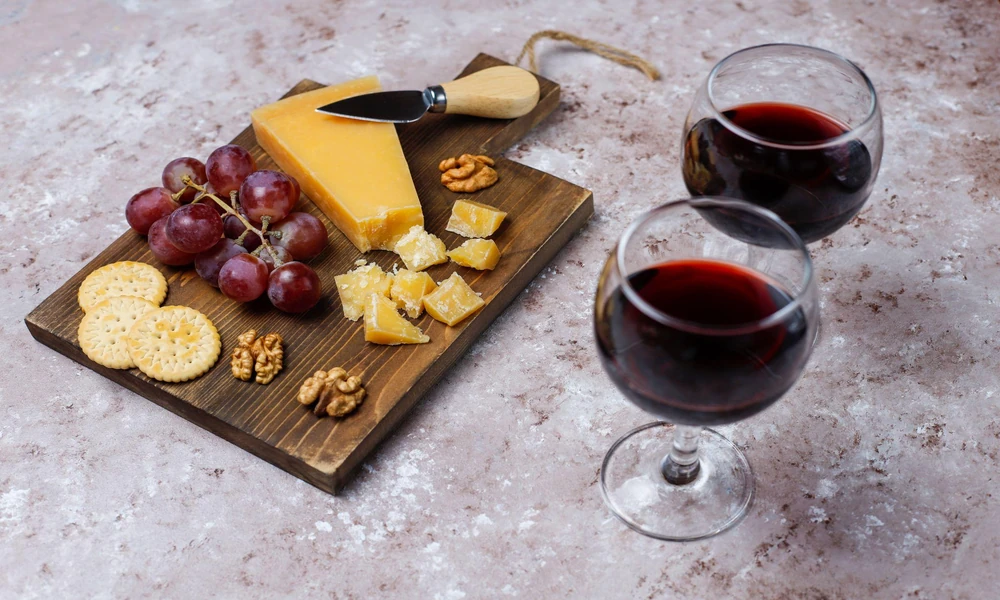
While the focus is often on the primary pairing, the “supporting cast” on your platter plays a vital role. Elements like nuts, fruits, and jams can bridge the gap between a wine and a cheese that might otherwise clash. For example, if you find that a particular red wine is a bit too tannic for your cheese, adding a piece of dark chocolate or some dried cherries can soften the interaction. Accompaniments add layers of texture and flavour that make the tasting more dynamic.
Walnuts and almonds provide a crunchy contrast to soft textures, while honey can tame the saltiness of a strong blue cheese. When setting up your weekend tasting, include a few different types of crackers and breads as well. A neutral sourdough or a simple water cracker allows the flavours of the wine cheese in Singapore to shine without interference. This allows you to focus purely on how the two main components interact on your palate, helping you refine your preferences.
Trusting Your Own Palate
Ultimately, the most important rule of pairing is that you should enjoy what you are eating and drinking. While there are scientific reasons why certain combinations work, taste is subjective. What one person finds perfectly balanced, another might find unappealing. Use the “rules” as a starting point, but do not be afraid to break them. Perhaps you discover that you love a sweet dessert wine with a sharp, salty cheddar, a combination that might not be in every textbook but works for you.
Conclusion
Spending a weekend focused on these pairings gives you the confidence to trust your instincts. Take notes on what you liked and what didn’t quite hit the mark. This personal record becomes an invaluable resource for future dinner parties or quiet evenings at home. Mastery doesn’t mean knowing everything; it means having the experience to make choices that lead to a delightful sensory experience.
By the end of your weekend, you will be well-equipped to navigate any menu or shop with ease. Finding the perfect wine cheese in Singapore is a rewarding journey that blends tradition with personal taste. By focusing on balance, regionality, and thoughtful accompaniments, you can elevate your dining experience significantly.
Contact Cheeselads to discover the finest selections for your next pairing adventure.
