
Food preservation is one of the most important challenges in the food industry.
Fresh foods such as fruits, vegetables, dairy products, and meat contain a high amount of moisture, which creates an ideal environment for microbial growth and chemical degradation.
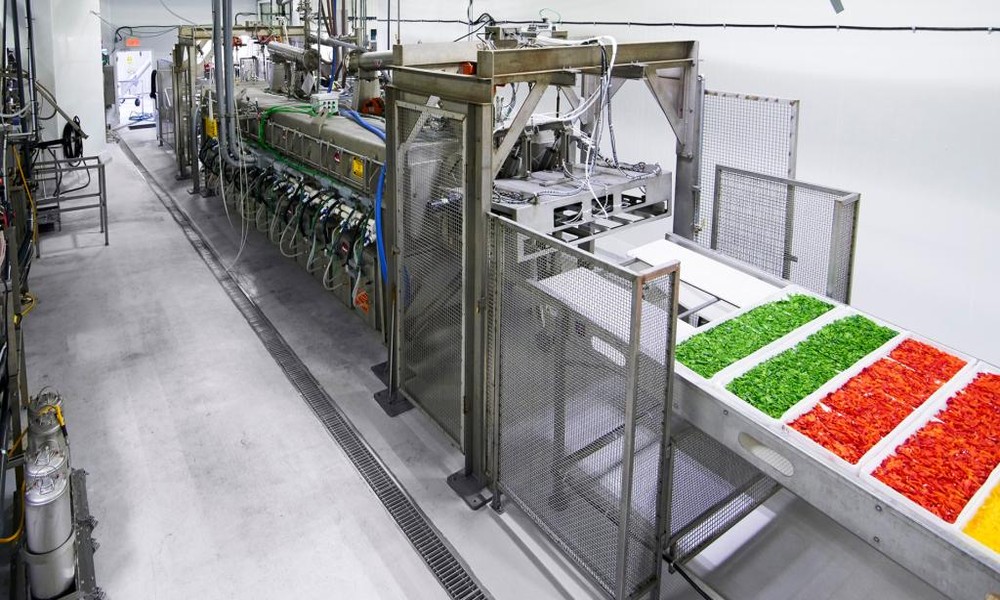
Industrial drying machines have become a key technology for extending food shelf life by removing moisture and stabilizing food products.
By using controlled heat, airflow, and humidity management, these machines help food manufacturers produce safe, stable, and long-lasting products.
Moisture Removal Prevents Microbial Growth
One of the primary ways industrial drying machines improve shelf life is by removing moisture from food. Water activity plays a crucial role in microbial growth. Bacteria, yeast, and mold require water to grow and multiply. When moisture levels are reduced, these microorganisms cannot survive or reproduce effectively.
Industrial drying technologies-such as spray dryers and fluidized bed dryers-remove a large percentage of water from food products. In many cases, dehydration can reduce water content by 80-95%, dramatically slowing spoilage and extending storage life.
As a result, foods that would normally spoil in days or weeks can remain stable for months or even years. For example, dehydrated fruits, vegetables, and powdered dairy products can be stored for long periods.
Stabilizing Food Through Controlled Drying
Industrial drying machines use precise process controls to ensure consistent and effective drying. Operators can regulate parameters such as temperature, airflow, humidity, and drying time to achieve optimal moisture levels.
This controlled process is essential because uneven drying can leave moisture pockets inside the product. These pockets can harbor bacteria and mold, creating hidden areas of spoilage. Industrial dryers solve this problem by ensuring uniform heat distribution and airflow throughout the drying chamber.
Advanced drying systems also allow manufacturers to tailor drying profiles for different food products. For instance, delicate fruits may require lower temperatures, while grains or spices can tolerate higher temperatures.
Preserving Nutritional Value
Another advantage of industrial drying machines is their ability to preserve the nutritional content of food. Modern drying technologies operate under carefully controlled conditions that minimize nutrient loss.
Low- and medium-temperature drying can retain a large portion of vitamins, minerals, and antioxidants. Some studies indicate that properly dried foods can retain 80-95% of their original nutritional value, depending on the drying method used.
In addition, removing water concentrates nutrients by weight. For example, dried fruits contain higher levels of fiber and minerals per gram compared to fresh fruits because the water has been removed. This makes dehydrated foods both nutritious and shelf-stable.
Reducing Food Waste and Improving Storage
Industrial drying machines play a significant role in reducing food waste throughout the supply chain. Fresh produce is highly perishable, particularly during peak harvest periods when supply surpasses demand.
By drying surplus produce, food manufacturers can convert perishable items into shelf-stable products such as dried fruit snacks, vegetable powders, or seasoning ingredients. This process allows businesses to store products longer and distribute them more efficiently. Effective dehydration can greatly minimize spoilage and prolong shelf life from a few days to several months or even years.
Additionally, dried foods occupy far less space than fresh foods. Once moisture is removed, the product becomes lighter and more compact, reducing storage and transportation costs.
Supporting Large-Scale Food Production
Industrial drying machines are designed for high-capacity food processing. Unlike traditional sun drying or small-scale dehydration methods, industrial systems can process hundreds or thousands of kilograms of food per day.
These machines often operate continuously, allowing manufacturers to maintain steady production while ensuring consistent product quality. Automation and precise control systems also reduce labor requirements and improve operational efficiency.
Large-scale drying is especially important for industries producing powdered foods such as milk powder, instant coffee, spices, and flavoring agents. Spray drying technology, for example, converts liquid food into stable powder almost instantly, creating products with long shelf lives and easy storage.
