
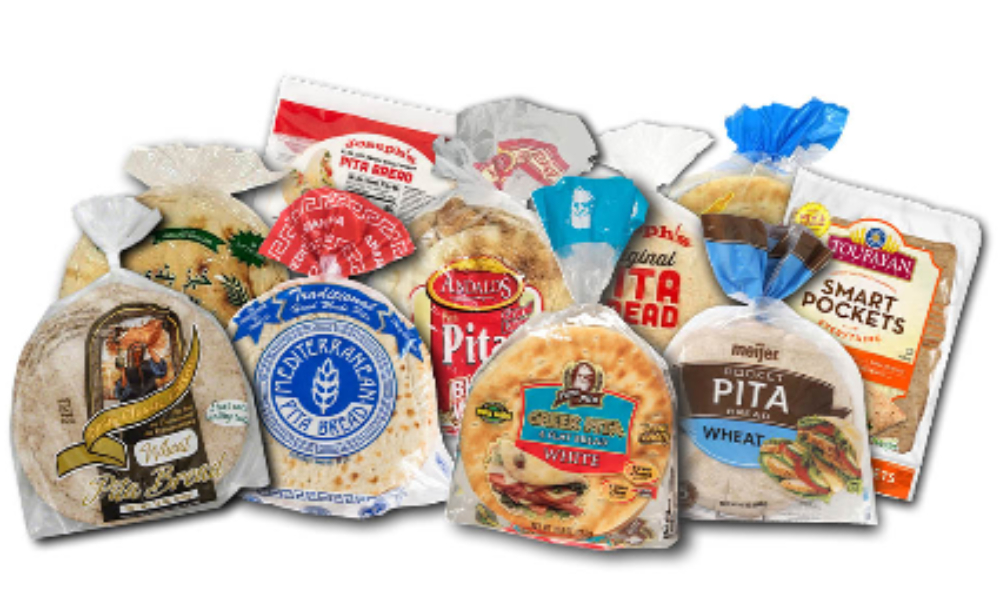
Choosing the right packaging is just as important as baking the perfect loaf. Bread packaging plays a vital role in protecting freshness, maintaining quality, and presenting your brand in the best light. However, many bakeries and food businesses make avoidable mistakes when selecting bread packaging bags. These errors can affect shelf life, customer satisfaction, and even sales. Here are some of the most common mistakes to avoid when choosing bakery bread bags and how to make smarter decisions.
1. Ignoring Freshness and Breathability
One of the biggest mistakes is selecting packaging that does not support proper airflow. Bread releases moisture after baking, and without breathable materials, condensation can build up inside the bag. This leads to sogginess or mold growth. High-quality bread packaging bags should allow enough ventilation to keep crusts crisp while maintaining internal moisture balance. Perforated plastic bags or specially designed paper-lined bags are often ideal for this purpose.
2. Choosing the Wrong Material
Not all packaging materials suit every type of bread. Soft sandwich loaves, artisan sourdough, and crusty baguettes all require different packaging solutions. Some bakeries choose low-quality plastic that tears easily or paper bags that fail to protect the product. When selecting bakery bread bags, consider durability, food safety standards, and environmental impact. Food-grade plastic, kraft paper, and biodegradable materials are popular and reliable choices.
3. Overlooking Proper Sizing
Using bags that are too small can crush the bread, while oversized bags may make the product look unappealing on shelves. Improper sizing also affects sealing and storage efficiency. Bread packaging bags should fit snugly without compressing the loaf. Measuring your standard loaf sizes and choosing packaging accordingly helps maintain shape and presentation.
4. Neglecting Branding Opportunities
Another common mistake is failing to use packaging as a marketing tool. Plain, unbranded bakery bread bags miss an excellent opportunity to showcase your logo, colors, and brand message. Custom-printed bags increase brand recognition and create a professional appearance. Customers often remember attractive packaging, which can encourage repeat purchases and word-of-mouth promotion.
5. Ignoring Food Safety and Compliance
Some businesses overlook food safety regulations when purchasing packaging. Using non-food-grade materials or bags that lack proper certification can lead to contamination risks and legal issues. Always ensure that your bread packaging bags meet local food safety standards and are safe for direct contact with baked goods.
6. Focusing Only on Cost
While budget matters, choosing the cheapest option often results in poor quality packaging that tears, leaks, or fails to preserve freshness. Low-quality bakery bread bags can damage your product and brand reputation. Investing in reliable packaging may cost slightly more upfront but saves money in reduced waste and improved customer satisfaction.
7. Forgetting Sustainability
Modern consumers care about environmentally friendly packaging. Ignoring sustainable options can make your brand appear outdated or irresponsible. Eco-friendly bread packaging bags made from recyclable, compostable, or biodegradable materials appeal to environmentally conscious customers and support long-term brand growth.
Conclusion
Avoiding these common mistakes can significantly improve your bread’s freshness, appearance, and market appeal. The right bread packaging bags protect your product, enhance branding, and support food safety and sustainability goals. By carefully choosing materials, size, design, and quality, bakeries can ensure their bakery bread bags add value rather than create problems—helping their business stand out in a competitive market.
